
Geo exclusions are one of many levers available in paid search, but narrowing geographic targeting raises a key question: what actually happens to performance? This blog breaks down what we expected to see, what we actually observed, and what it means for paid search strategy.
Why We Excluded Geos
In fall of 2024, Élan removed select geo locations from Google Search campaign targeting, which significantly reduced overall campaign reach. With a full year of post-exclusion performance now available, we analyzed the six months before and after the change to understand the impact on key metrics.
Change in Audience Size
Excluding the requested geos from Google Search campaigns led to a 29.8% decrease in our in-platform audience size. With nearly a third of our audience gone, significant shifts in key performance metrics were very much expected.
Changes We Expected to See
With a reduction in geographic coverage, the primary changes we expected were related to reach and delivery rather than efficiency. A decrease in impressions, clicks, and overall lead volume was anticipated as the addressable search audience narrowed. We did not expect significant shifts in conversion rate or cost efficiency, as the excluded regions had been contributing viable traffic prior to the change.
What We Actually Saw
Upper Funnel Conversions
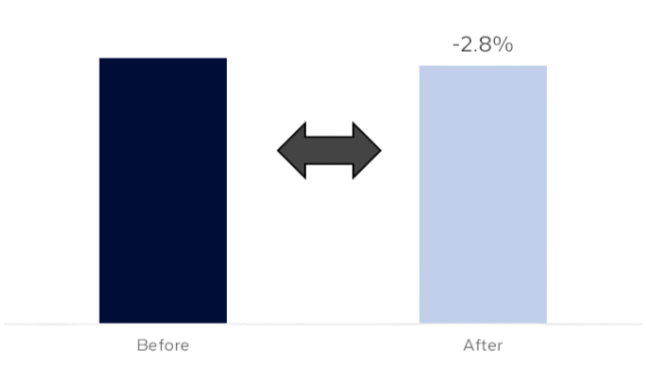
We saw no significant change in upper funnel conversions after the exclusions. There was a slight dip of 2.8% which is within normally expected fluctuations in performance due to outside factors.
Lower Funnel Conversions
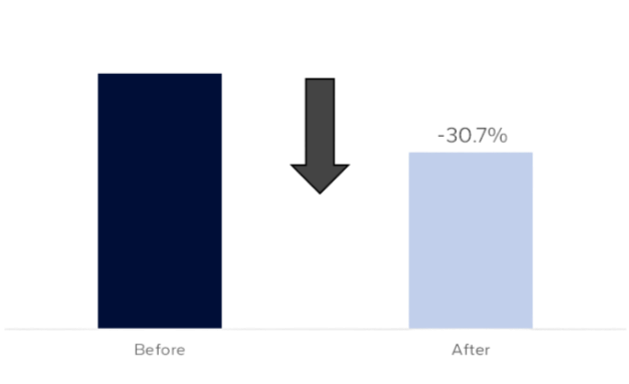
Lower funnel leads saw a significant decrease of 30.7%, in line with the total audience size decrease.
Signed Leads
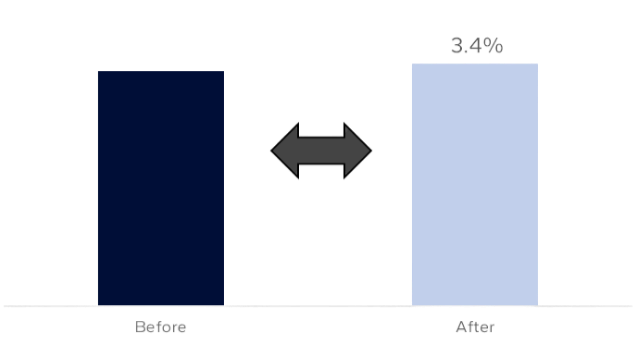
Our most valuable metric, signed up leads, saw only a slight increase of 3.4%. This is also within expected normal fluctuations in campaign performance.
Referred Leads
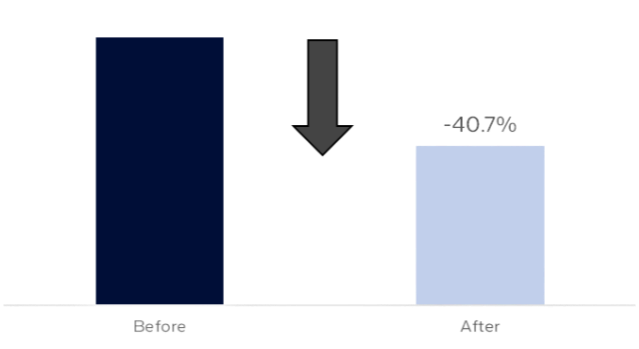
Referred leads saw the biggest decrease after the exclusions of 40.7%. This explains the large dip in lower funnel leads while signed up leads increased slightly.
Increase In Lead Quality
We saw a decrease in lower funnel leads that was inline with the decrease in total audience size, while our signed ups Leads increased slightly. This small increase in lead quality shows us that despite removing a substantial amount of our total audience we were still targeting the high value leads we want out of our campaigns.
Should You Exclude Geos?
There is no universal right or wrong answer when it comes to geo exclusions. Every campaign operates within its own set of goals, constraints, and business realities, and decisions should be made in context rather than by default.
In some cases, excluding certain geographies can be a strategic lever – particularly when downstream data shows that high-quality conversions consistently originate from specific areas/regions. High-quality lead location data can help identify where campaigns are ultimately driving value, beyond top-of-funnel performance.
Geo exclusions may also be worth evaluating when budgets are limited and performance is concentrated within a defined area. In those scenarios, focusing spend in regions that consistently produce viable cases can help improve spend efficiency and reduce less desirable leads. Similarly, when there is a distinct geographic area that consistently underperforms, exclusions can contribute to improvements in overall lead quality.
Ultimately, geo exclusions are not inherently good or bad. They are one of many tools available in Paid Search, and their effectiveness depends on how well they align with campaign objectives, budget considerations, and downstream performance data.
If you’re evaluating changes within your paid search campaigns, Élan can help assess performance beyond surface-level metrics and ensure optimizations align with your broader business goals.
